What a UAE summer does to a home, and what the evidence says to do
Filed in Heat and cooling
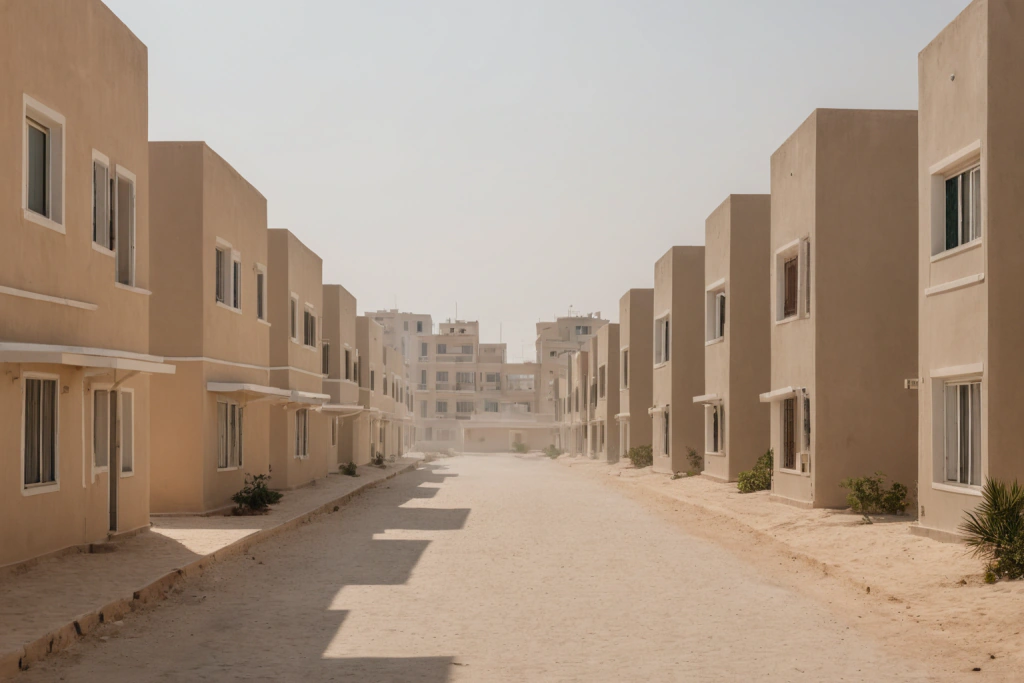
A UAE summer tests a home on four fronts at once: heat through the roof and glass, humidity that condenses on cooled surfaces, dust that gets into the air and the air conditioning, and a bill that climbs through DEWA's tariff slabs. The summer of 2026 showed all four. The National Centre of Meteorology recorded 51.2 °C at Budu Dafs in Al Dhafra on 5 August, the highest of the year, according to Khaleej Times; dust and rain alerts followed on 29 July; and DEWA's peak electricity demand for the first nine months of the year reached 11.682 gigawatts, 2.55% above the year before.
Each of the four has measures that work.
Heat: where it gets in and what it costs
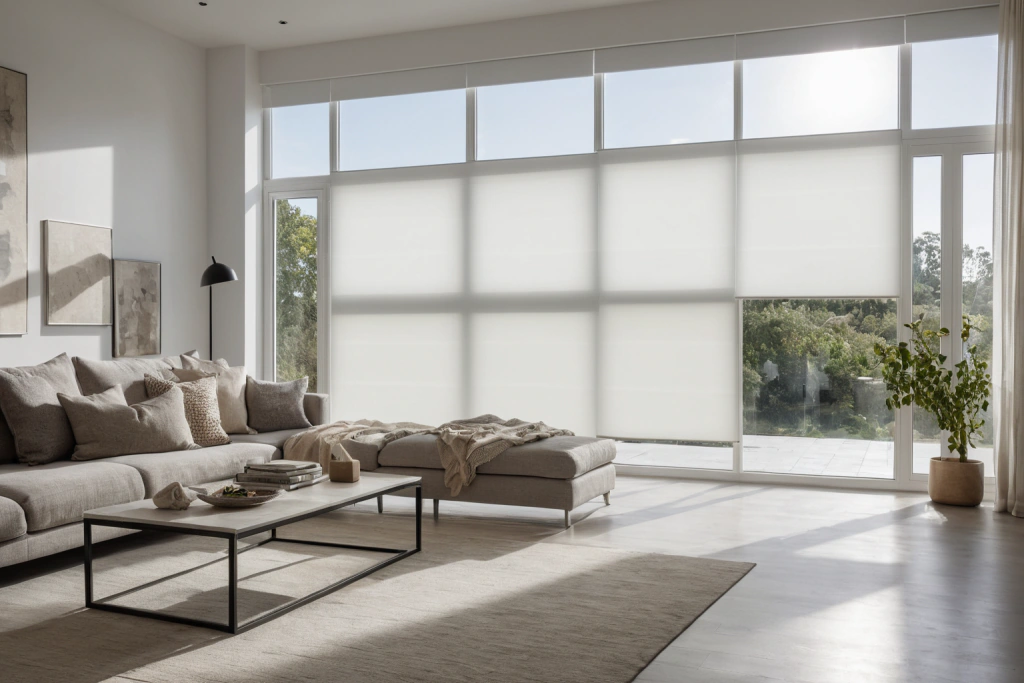
Heat enters a home through the roof, the walls, the glass and every gap, and the air conditioning has to remove all of it, much as heaters and radiators balance the temperature of the Hope probe in space. Lawrence Berkeley National Laboratory's measurements show how much the surface matters: a clean white roof that reflects 80% of sunlight stays about 31 °C cooler on a summer afternoon than a grey roof that reflects 20%, as the villa roof and wall insulation note describes, and Khalifa University researchers have reported white paint that stays 7.4 °C below the air temperature. For glass, two numbers decide how much solar heat a window or film admits, explained in the note on window film, SHGC and VT, and insulating shades cut cooling energy by about 15% against plain blinds in US test homes, as the note on curtains and blinds shows.
The cooling itself is where the money goes. DEWA advises a thermostat at 24 °C or higher and says each degree can save up to 5% of air conditioning consumption, and UC Berkeley's comfort research shows that moving air from a ceiling fan offsets several degrees, the subject of the note on ceiling fans and the thermostat. Units themselves fall under new UAE efficiency regulations made mandatory in November 2025 (see air conditioner rules), and they lose performance as filters and coils clog.
Humidity: the problem the thermometer does not show
Humidity is worst in coastal cities such as Dubai and Abu Dhabi, and The National, citing the National Centre of Meteorology, puts the average maximum relative humidity in August at 72%. Humid outdoor air has a dew point in the mid-20s Celsius, so any surface cooled below that and reached by outdoor air collects water: balcony glass, ducts in warm ceiling voids, cold pipes. Cold, damp surfaces are where summer mould starts, as the note on mould and condensation explains.
Indoors, the air conditioning dries the air, sometimes too much. Measurements in new air-conditioned apartments in Ajman averaged about 32% relative humidity, dry enough to pull solid wood toward 6% moisture content and split tabletops, the subject of the note on solid wood furniture. A target of about 40% to 50% avoids both problems, as the note on indoor humidity levels explains. Humid heat also hurts sleep more than dry heat, as sleep research reviewed in the note on bedroom temperature shows.
Dust: the air inside a closed home
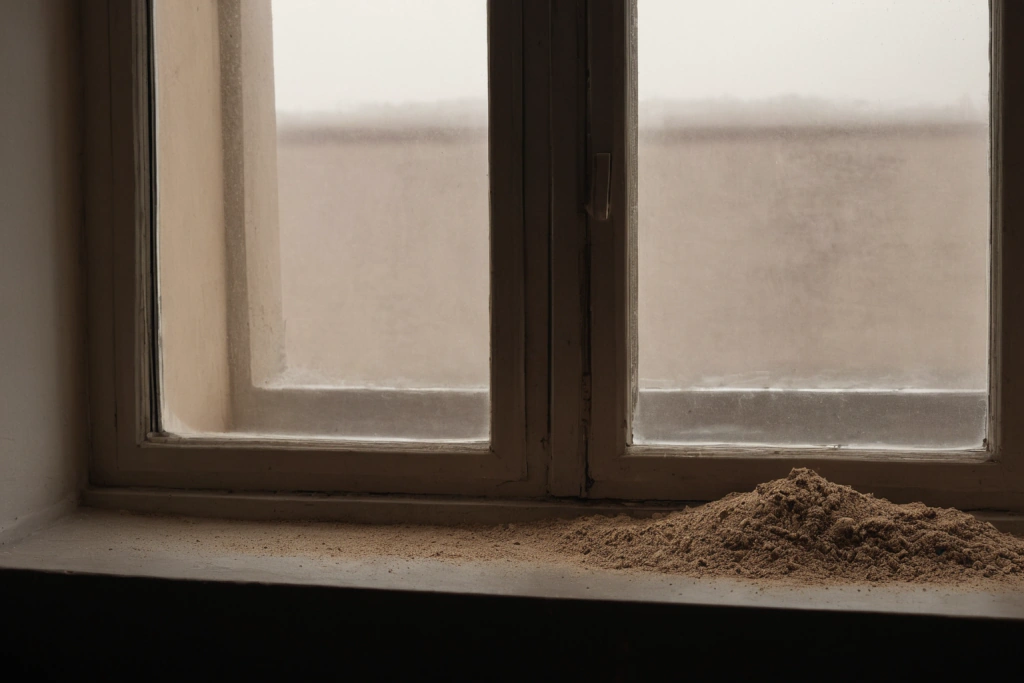
Dust alerts came more than once in 2026, and on 29 July the National Centre of Meteorology warned of gusts that kicked up dust and sand and reduced visibility, Khaleej Times reported. A closed window keeps out sand but not fine particles, and the filter that catches them is rated on the MERV scale or as HEPA, as the note on dust storms and filters explains.
A home sealed against heat and dust also traps what is released inside it. Cooking releases particles and, on gas hobs, combustion gases, and Berkeley Lab found that installed kitchen hoods often move far less air than their labels claim. Bedrooms with the door shut and a split unit running build up stale air overnight, which Danish research linked to poorer sleep and duller mornings. Two popular shortcuts do not help: houseplants clean air too slowly to matter, and ozone-producing purifiers add a lung irritant.
Water, sleep and the bill
Water is a cost as well as a health question, and DEWA's water tariff and saving advice are set out in the note on household water in Dubai. Warm water is a health question as well as a comfort one. Legionella bacteria favour water between 20 °C and 45 °C, and Dubai Municipality's guideline asks for hot water stored at 60 °C and cold water at 20 °C or below, a hard target for tanks in summer, as the note on water heaters and Legionella explains. At night, light and noise join heat and stale air as reasons for poor sleep; the notes on evening light and night noise cover both.
All of it ends on the bill. DEWA charges more per kilowatt-hour as monthly use rises, so a hot month costs more than its extra consumption suggests, as worked through in the note on DEWA's slab tariff.
The evidence, ranked for a typical UAE home
From cheapest and most certain to most involved:
- Set the thermostat to 24 °C or higher and add moving air. DEWA's advice and Berkeley's comfort tests point the same way, at almost no cost.
- Clean air conditioner filters monthly in summer and service the units, as DEWA recommends.
- Shade the sunniest glass with insulating coverings or film.
- Measure humidity and CO₂ in the bedroom and living room, and act on the readings.
- Capture cooking fumes at the hob and use HEPA filtration on dusty days.
- Keep hot water at 60 °C and flush the system after time away.
- Seal gaps and treat the roof in a villa, then insulate during larger work.
- Replace air conditioners older than about ten years with efficient models, which DEWA says can save up to 25% of cooling consumption.
Buildings designed with these measures from the start can reach the higher levels of the UAE's green building ratings.
Winter is the time to prepare for the next summer. DEWA suggests using the mild months to ventilate homes instead of cooling them, and the same months are the easiest time for servicing, sealing and roof work before the heat returns.
Sources
- Khaleej Times (2026). UAE records highest temperature of 51.2°C amid peak summer heat
- The National (2023). Why does it feel so much hotter? Humidity in the UAE explained
- Khaleej Times (2026). Watch: Orange alert issued as dust storms, heavy rain hit Dubai, other parts of UAE
- Khaleej Times (2026). Dewa net profit jumps 11.7% to record Dh7.63 billion as Dubai's electricity and water demand grows
- Dubai Electricity and Water Authority (DEWA) (2026). Cooling: conservation tips