How the Hope probe controls its heat, and what a UAE home can borrow
Filed in Heat and cooling
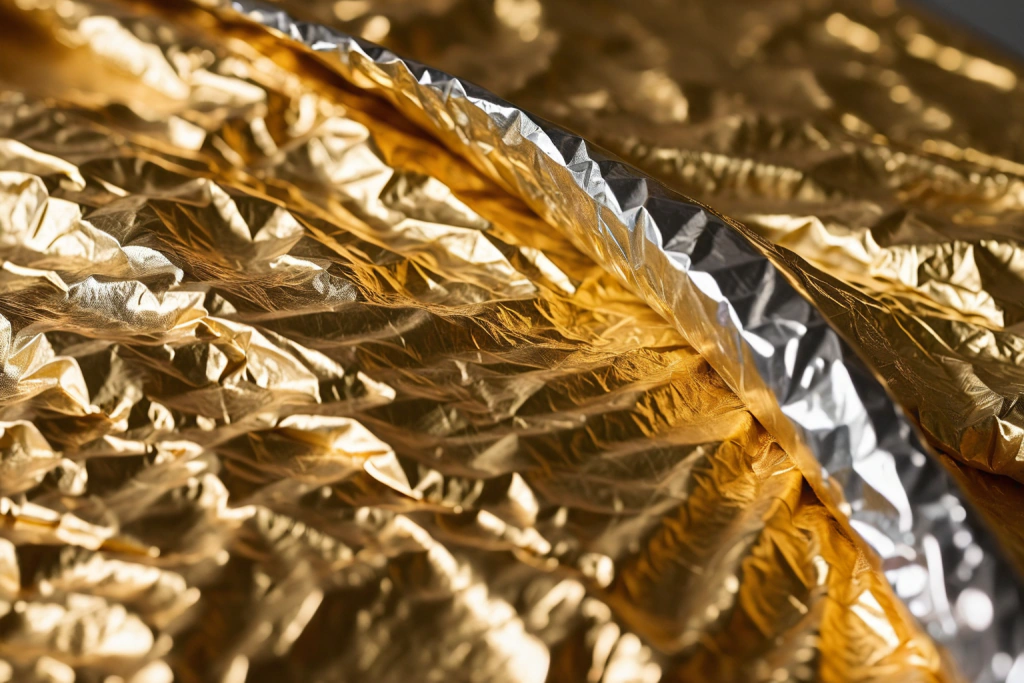
The Hope probe of the Emirates Mars Mission manages heat with three tools: insulation blankets that keep heat in or out, radiators that shed heat into space, and heaters that switch on when a part gets too cold. The mission's overview paper in Space Science Reviews describes the probe's passive thermal control as radiators and multi-layer insulation, with active control from thermostatic and software-controlled heater circuits. A home in the UAE faces the same balance in reverse, and the same three tools, translated into roofs, walls and air conditioning, decide how hard it has to work.
The mission in brief
The Hope probe is the UAE's first interplanetary spacecraft. The probe launched from Tanegashima Space Center in Japan on 19 July 2020 (UTC) on a Mitsubishi H-IIA rocket and arrived at Mars on 9 February 2021, in time for the country's 50th anniversary that year, according to the mission's overview paper. The mission was led by Emirati engineers and scientists, and Berkeley News reported that UC Berkeley contributed science collaboration, training and instrument components, alongside the University of Colorado Boulder, Arizona State University and Northern Arizona University. The detector of the probe's ultraviolet spectrometer uses a photon-locating anode provided by UC Berkeley's Space Sciences Laboratory.
Three ways a spacecraft manages heat
A spacecraft has no air around it, so heat moves only by radiation and by conduction through its structure. NASA's guide to small spacecraft thermal control explains that the balance depends on how much sunlight a surface absorbs, how strongly it emits infrared heat, and how much area faces the cold of deep space.
| Spacecraft tool | What it does | Home counterpart |
|---|---|---|
| Multi-layer insulation | 10 to 20 thin low-emissivity layers limit radiated heat | Roof and wall insulation |
| Radiators and coatings | Surfaces that absorb little sunlight and emit heat well | White, reflective roofs and cooling paints |
| Heaters | Active control that uses power | Air conditioning |
NASA describes a multi-layer insulation blanket as usually 10 to 20 inner layers of a thin, low-emissivity material with a durable outer layer, the many reflective layers limiting radiative heat transfer. NASA also notes that matte white paint has low solar absorptivity and high infrared emissivity, which suits surfaces meant to absorb little sunlight and give off heat, such as radiators.
The cost of active control
Active control is the expensive part, on Mars and in Dubai. The Hope probe's heaters drew roughly 10% to 60% of the probe's total power over the course of the mission, the overview paper reports. Every watt a heater uses is a watt the passive design did not save.
A UAE home pays the same price in cooling. The Dubai Electricity and Water Authority (DEWA) advises setting thermostats at 24 °C or higher, saying each degree can save up to 5% of air conditioning consumption, and recommends shading glass and sealing doors and windows so that less heat gets in. Shading and sealing are passive measures that cut the active load, the household equivalent of a better blanket.
The roof as a radiator
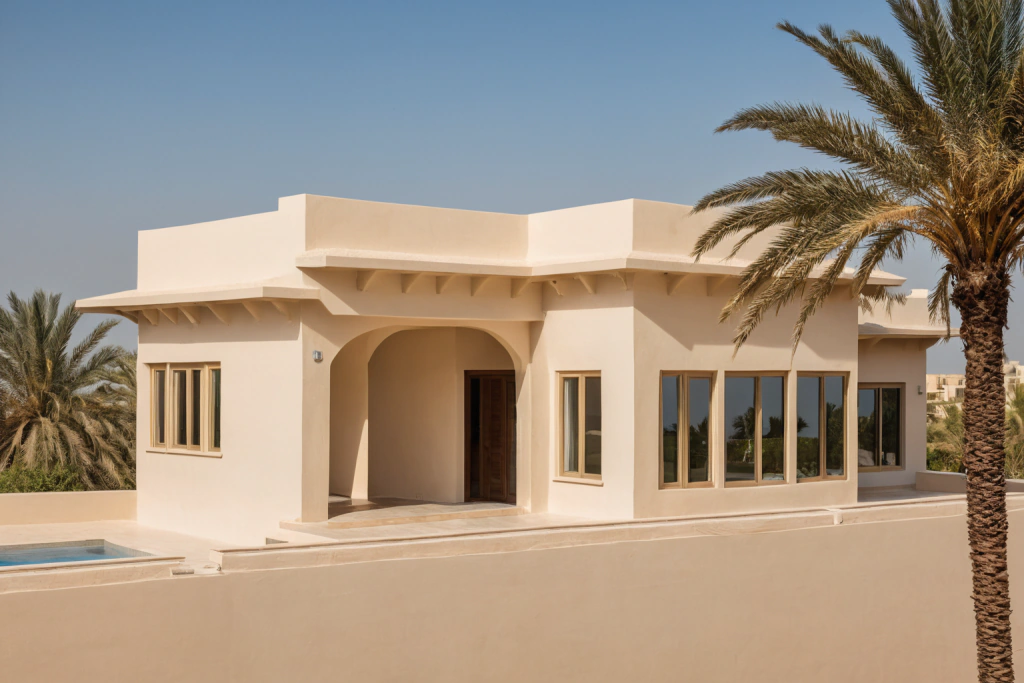
A roof can work like a spacecraft radiator if its surface reflects sunlight and emits heat well. Lawrence Berkeley National Laboratory's Heat Island Group names solar reflectance and thermal emittance as the two properties that make a roof cool, and reports that on a typical summer afternoon a clean white roof reflecting 80% of sunlight stays about 31 °C cooler than a grey roof reflecting 20%. The group also measured a black roof 30 °C warmer than a white one.
Researchers in the UAE are pushing the idea further with paints and coatings that cool below the air temperature by sending heat out to the sky, work described in the note on cooling paints and fog harvesting at Khalifa University. How much of the roof's heat reaches the rooms depends on insulation, covered in the note on insulating a villa's roof and walls, which explains the U-values Dubai sets for new buildings.

What a home can borrow from the probe
The probe's design order is a good order for a house: passive measures first, active control last. Three steps follow from it.
- Insulate and shade. Roof insulation, curtains and shades and window film play the part of the probe's blankets.
- Reflect and emit. A clean, white or reflective roof keeps the outer surface cooler and lets it shed heat.
- Then set the active system sensibly. A thermostat at 24 °C or higher with a ceiling fan keeps the air conditioning, the home's heater in reverse, from carrying the whole load.
Buildings that get these steps right can earn the green ratings described in the note on UAE green building ratings and awards. The broader picture of heat, humidity and dust in a UAE home is in the note on what a UAE summer does to a home.
Sources
- Amiri and others, Space Science Reviews (2022). The Emirates Mars Mission
- Berkeley News, University of California, Berkeley (2020). Emirates launches first Mars probe with help from UC Berkeley
- NASA Small Spacecraft Systems Virtual Institute (2026). State-of-the-art of small spacecraft technology: thermal control
- Heat Island Group, Lawrence Berkeley National Laboratory (2026). Cool roofs
- Dubai Electricity and Water Authority (DEWA) (2026). Cooling: conservation tips
Tags: Emirates Mars MissionHope probeinsulationcool roofsradiative cooling