Insulating an older villa: roof, walls and what Al Sa'fat asks of new ones
Filed in Heat and cooling
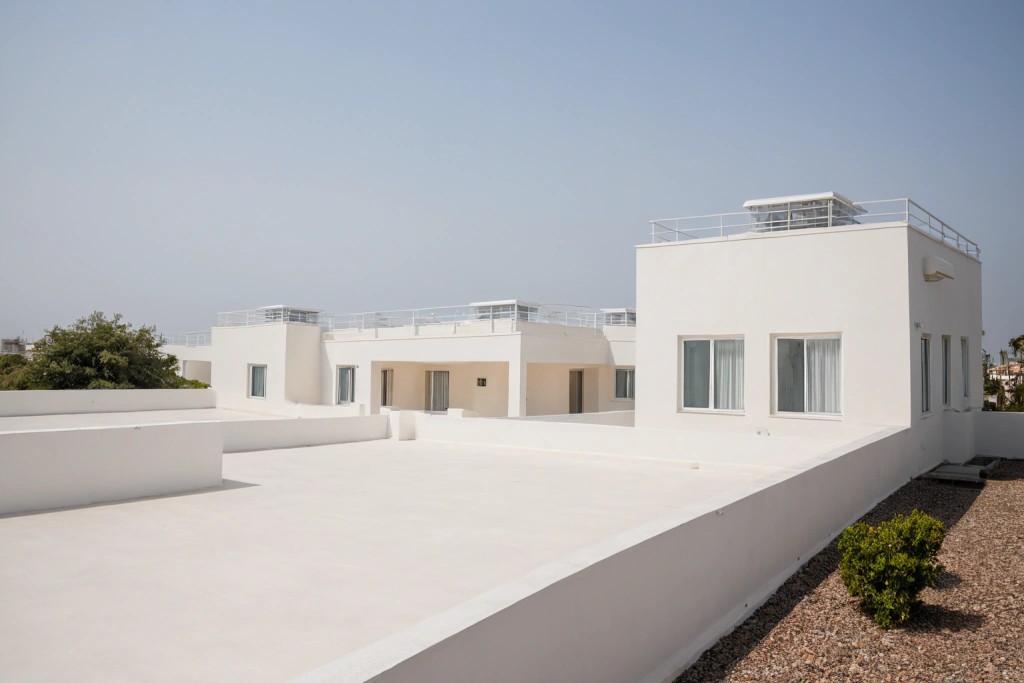
New buildings in Dubai are built to a green standard that older villas never had to meet. Dubai Municipality says that all the criteria of the Silver Sa'fa level of its Al Sa'fat green building system are obligatory for new construction, because they have been written into the Dubai Building Code, and puts the energy saving of the Silver level at 19%. An older villa can close much of that gap with work on the roof, the walls and the gaps around doors and windows, and in September 2026 the municipality published a guide aimed at exactly that kind of upgrade.
What the rules require of new buildings
Dubai's rules for new buildings set limits on how much heat the envelope may let through. The World Bank's Building Green database, which tracks building energy codes country by country, records Dubai's Green Building Regulations and Specifications of 2017 as requiring, for residential buildings, a roof U-value of 0.3 W/m²K, external walls and floors of 0.57 W/m²K, a maximum solar heat gain coefficient for glazing, and measures to prevent air leakage.
A U-value is the rate at which heat passes through one square metre of a wall or roof for each degree of temperature difference across it, so a lower number means better insulation. The Dubai Building Code, approved by Decree No. 45 of 2021, applies to building designs whose permits were issued after the decree took effect. A Dubai Media Office release from December 2023 adds that existing buildings constructed before these regulations become subject to the Sa'fat system when they undergo reconstruction. The Sa'fat tiers, Abu Dhabi's Estidama Pearls and the awards above them are compared in the note on green building ratings in the UAE.
| Requirement for new residential buildings in Dubai | Value |
|---|---|
| Roof U-value | 0.3 W/m²K |
| External wall U-value | 0.57 W/m²K |
| Floor U-value | 0.57 W/m²K |
What the 2026 guide for existing buildings covers
On 16 September 2026 Dubai Municipality launched the Existing Buildings Greening Guide, a practical framework for upgrading buildings already standing in the emirate. The municipality describes the guide as setting out best practice for improving energy and water efficiency, reducing emissions and operating costs, and improving indoor environmental quality, while balancing sustainability requirements against economic feasibility. The guide is aimed at owners, operators, consultants and investors who are deciding on retrofit work.
The guide is guidance rather than a new obligation on villa owners, but it gives a reference point that contractors and consultants in Dubai now share. The 2023 media office release frames the direction of travel: the municipality's strategic goal is net zero energy buildings by 2035, and it has been developing requirements for retrofitting existing buildings.
The roof first: reflect, then insulate
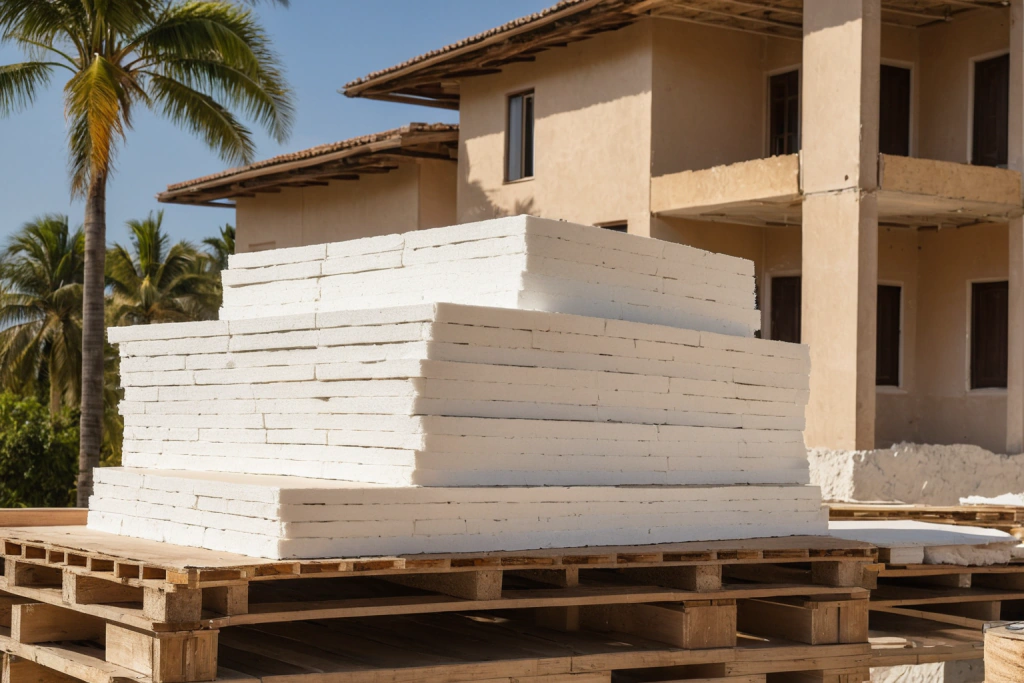
A flat villa roof takes the full summer sun, and its surface colour decides how hot it gets. Lawrence Berkeley National Laboratory's Heat Island Group reports that on a typical summer afternoon a clean white roof that reflects 80% of sunlight stays about 31 °C cooler than a grey roof that reflects 20%, and that a black roof was measured at 30 °C warmer than a white one. A cooler roof surface pushes less heat into the house below; the Berkeley group also notes that reflective roofs reduce cooling energy demand in air-conditioned buildings.
On a 200 m² roof insulated to the code value of 0.3 W/m²K, a grey surface 31 °C hotter than a white one lets about 1.9 kW more heat into the house for as long as the difference lasts.
The extra heat enters only because of the roof colour, and the air conditioning has to remove it. On a roof with less insulation than the code value, the difference grows in proportion to the roof's U-value. The Berkeley figure refers to a clean roof, so in a dusty climate keeping the surface clean keeps it closer to that figure. Researchers at Khalifa University have gone further with paints that stay cooler than the air in full sun, and the same reflect-and-emit principle keeps the Hope probe's radiators at a safe temperature in space.
Walls, windows and the gaps between them
After the roof, the next gains come from the openings. The Dubai Electricity and Water Authority (DEWA) advises weather stripping and caulking around doors and windows to keep cooled air inside and hot air out, and the Dubai rules for new buildings require air leakage prevention for the same reason. Glazing is covered in the note on window film and solar heat gain, and interior shading in the note on curtains and blinds.
Walls are the harder job in an existing villa, because insulation has to go on the outside face, the inside face, or into a cavity. External insulation keeps rooms the same size; internal insulation is easier to install room by room but takes floor space. In either case, cold surfaces on the inside of an air-conditioned villa need protecting from humid air, a point explained in the note on mould and condensation.
A sequence for villa owners
Start with the cheap, large gains and leave the heavy work for a renovation. Structural and waterproofing work belongs with a licensed contractor and, where needed, a permit.
- Seal gaps around doors, windows and service penetrations.
- Give the roof a reflective finish and keep it clean.
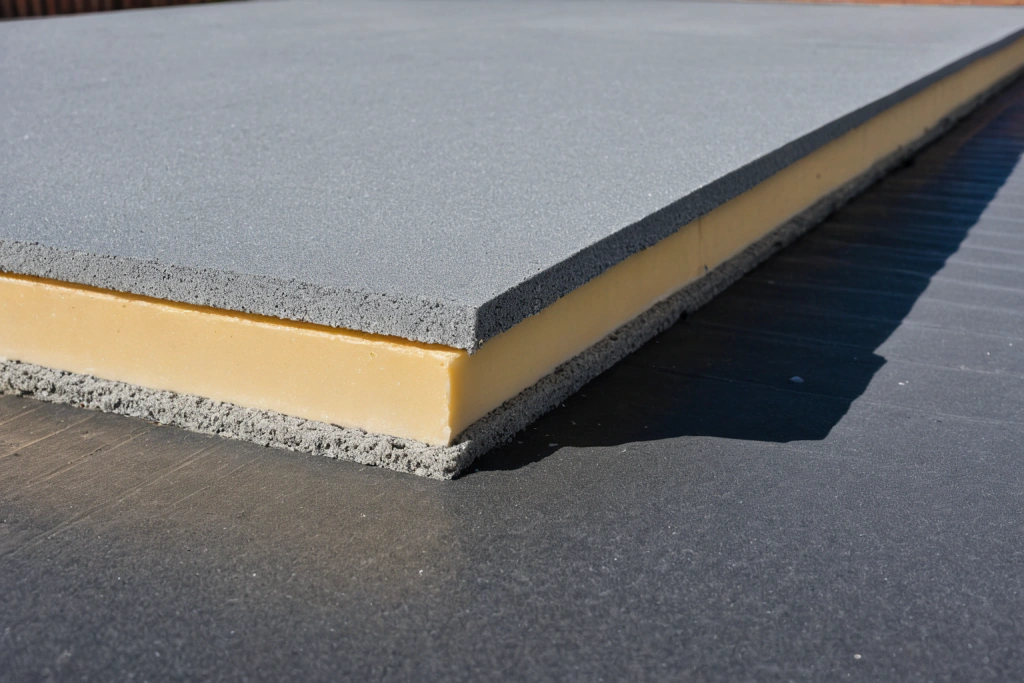
- Add roof insulation when the roof is next waterproofed.
- Shade or treat the sunniest glass.
- Consider wall insulation during a larger renovation, when the walls are open anyway.
Each step reduces the cooling a villa needs, and the result shows up on the bill described in the note on DEWA's slab tariff. A well-sealed, well-insulated house also holds its temperature better through the night, which helps with the bedroom temperatures that suit sleep, and it is part of the wider picture in the note on what a UAE summer does to a home.
Sources
- Government of Dubai Media Office (2023). Green buildings in Dubai
- Dubai Municipality (2026). Existing Buildings Greening Guide launched
- Dubai Legislation Portal (2021). Decree No. (45) of 2021 concerning the Dubai Building Code
- World Bank (2026). Building Green: United Arab Emirates (Dubai) building energy code data
- Heat Island Group, Lawrence Berkeley National Laboratory (2026). Cool roofs
- Dubai Electricity and Water Authority (DEWA) (2026). Cooling: conservation tips