Water heaters, rooftop tanks and Legionella: the 60 °C rule
Filed in Water and bills
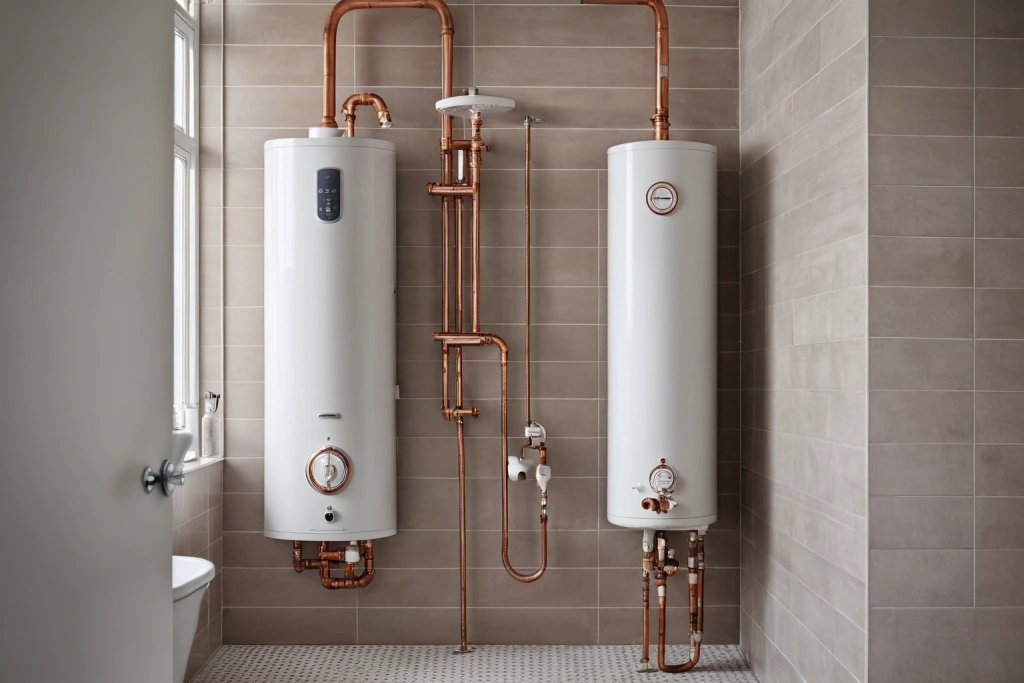
Legionella, the bacterium behind Legionnaires' disease, lives in warm water, and a UAE home's water system can spend much of the year at the temperatures it likes. Dubai Municipality's Technical Guidelines for Legionella Control, version 6 of which was issued in August 2025, state that the bacteria have been found in water between 6 °C and 60 °C and that temperatures from 20 °C to 45 °C favour their growth. The guideline's first control method is temperature: store hot water at 60 °C, deliver it hot within a minute at the tap, and keep cold water at 20 °C or below.
How people catch Legionnaires' disease
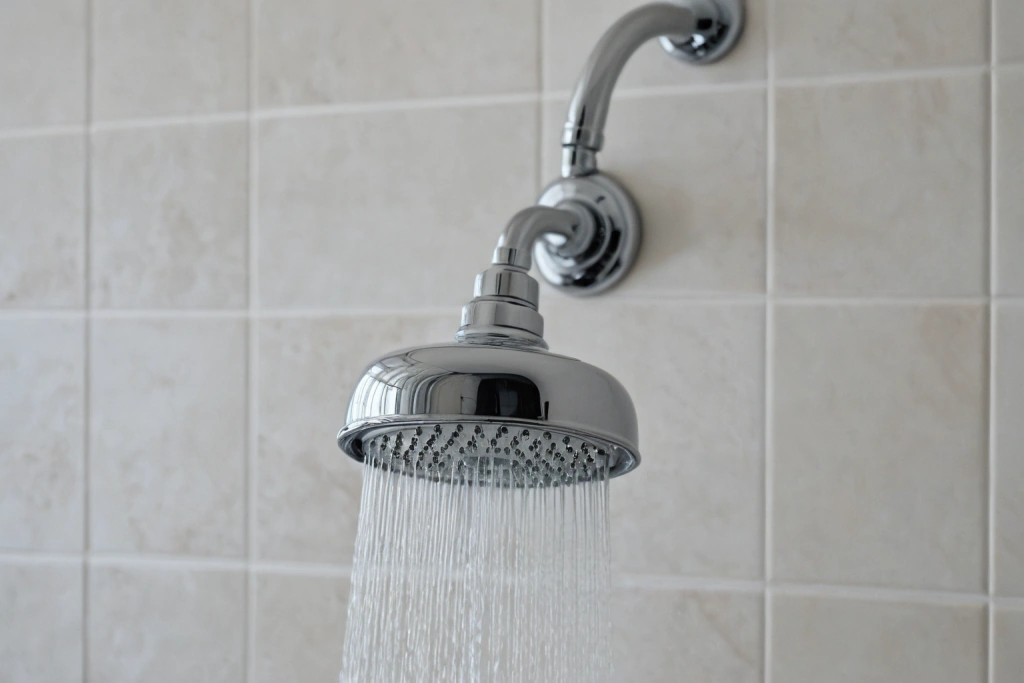
The disease is caught by breathing in, not by drinking. The World Health Organization's fact sheet on legionellosis names inhalation of contaminated aerosols as the most common route, and lists cooling towers, hot and cold water systems, humidifiers and whirlpool spas among the sources linked to infection. A shower is the everyday example of a fine spray from a hot water system.
Most people exposed do not fall ill, but some groups are at clear risk. The WHO reports that 75% to 80% of cases are in people over 50, and lists smoking, heavy drinking, lung disease, weakened immunity and chronic respiratory or kidney illness as risk factors. The pneumonia form, Legionnaires' disease, has an incubation period of 2 to 10 days.
Why UAE homes need extra care
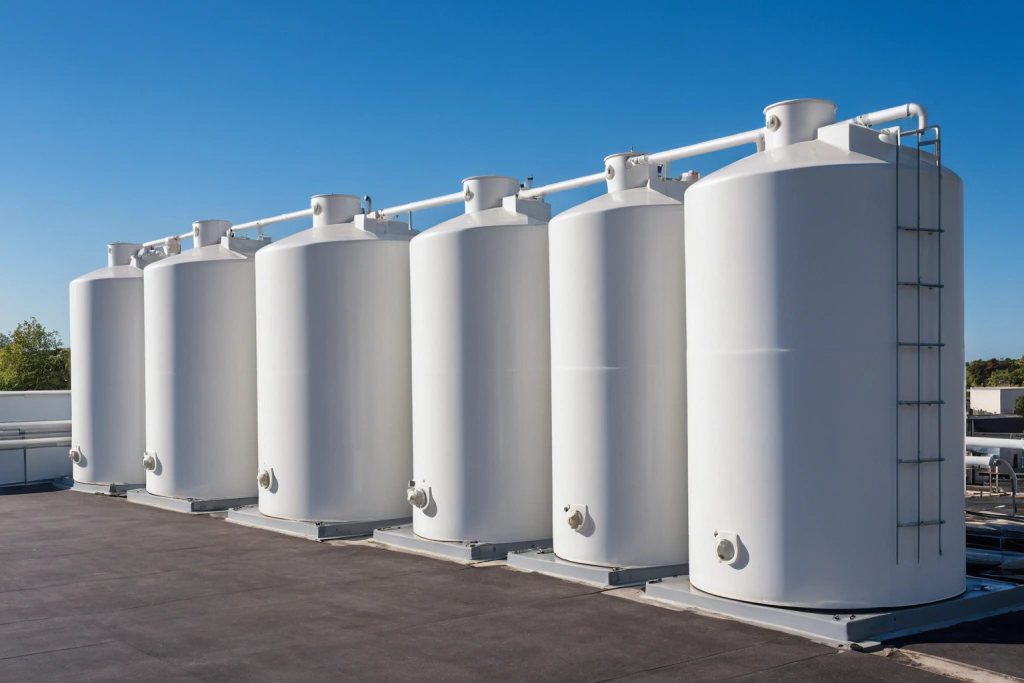
Two features of UAE housing can put water in the growth range. Cold water stored in tanks, including tanks on roofs, can warm in summer heat past the 20 °C that the guidelines set as the upper limit for cold water. Where hot water comes from a storage heater controlled by the occupant, its temperature depends on the household's setting, and a heater turned down or switched off while a flat is empty leaves water in the range the bacteria favour.
The National reported in October 2023 on a suspected case of Legionnaires' disease linked to a rented villa in Dubai, and noted that vacant buildings are more vulnerable because water sits still. Dubai Municipality's guideline addresses stagnant water directly, calling for dead legs, unused stubs of pipe where water stagnates, to be removed or disconnected.
| Part of the system | Dubai Municipality guideline |
|---|---|
| Hot water storage | Stored at 60 °C; small heaters of up to 15 litres kept close to 60 °C |
| Hot water at the tap | At least 50 °C after one minute of running |
| Cold water storage and distribution | 20 °C or below |
| Water heaters (calorifiers) | Kept clean, drained and disinfected at least twice a year |
| Water storage tanks | Kept clean and inspected at least monthly, with coverings intact |
The WHO fact sheet gives a similar rule in slightly different words: keep hot water above 50 °C, which requires water leaving the heater at 60 °C or more, and keep cold water below 25 °C and ideally below 20 °C, or treat the system with a suitable biocide.
Hot enough to control bacteria, safe enough not to scald
Water at 60 °C can scald, so the guidelines pair high storage temperatures with control at the outlet. Dubai Municipality's definition of a hot water system allows thermostatic mixing valves close to taps and showers, which blend hot and cold water so that the bacteria-controlling storage temperature does not reach the skin. In a home with young children or older relatives, a mixing valve or a lower outlet temperature at the tap protects against burns while the heater itself stays at 60 °C.
Cold water in a hot climate
Keeping cold water below 20 °C is hard in a UAE summer, and that is the reason the other measures matter. The UK Health and Safety Executive advises keeping incoming and stored cold water below 20 °C, for example by placing tanks in a cool place and insulating them, and checking the temperature regularly. Dubai Municipality's guideline adds monthly inspection of tanks and, for the buildings it covers, chlorine dosing at the tank.
A household routine
Most of the guideline is written for building operators, but its logic, and the WHO's, carries over to a household.
- Keep the heater at 60 °C. Do not turn a storage water heater down to save power; use a mixing valve or careful use at the tap for scald safety.
- Flush after time away. After the summer holidays or any long absence, run hot and cold taps and showers to clear water that has sat in the pipes, letting the water run to the drain without breathing in spray.
- Ask about the tanks. Tenants can ask the landlord or building management when the water tanks were last cleaned and disinfected; the guideline calls for heaters to be cleaned twice a year and tanks to be inspected monthly.
- Clean showerheads. The UK Health and Safety Executive advises dismantling, cleaning and descaling showerheads to avoid a build-up of contamination, and weekly flushing of outlets that are rarely used.
- Know the warning signs. High fever with chest symptoms after time in a building with a neglected water system is a reason to tell a doctor about the water.
Keeping water hot costs electricity, which is one reason the heater dial gets turned down. DEWA's advice on using less water, and how its water tariff works, is in the note on household water in Dubai. The note on DEWA's slab tariff shows how a home's consumption is billed, and the note on what a UAE summer does to a home puts water alongside heat, dust and humidity. Damp from leaking pipes or tanks brings its own problems, described in the note on mould and condensation.
Sources
- Dubai Municipality, Health and Safety Department (2025). Technical guidelines for Legionella control in water system (DM-HSD-GU44-LCWS2, version 6)
- World Health Organization (2022). Legionellosis, fact sheet
- UK Health and Safety Executive (2026). Legionnaires' disease: things to consider, cold water storage and outlets
- The National (2023). Seasonal change puts testing centres on lookout for legionella in water tanks